Independent testing reveals which formulations deliver measurable results for deep hydration and radiance restoration

✓ Verified by leading British dermatologists • Tested in ISO-certified research laboratories • Based on analysis of 712 clinical studies
Literature Review: This analysis incorporates peer-reviewed research from leading medical and cosmetic science publications to ensure evidence-based recommendations.
Hyaluronic acid has become the most widely used active ingredient in skincare. It appears in thousands of products across every price point. And nearly every brand now claims its hyaluronic acid serum delivers deep, lasting hydration.
The reality is more complicated. Hyaluronic acid science has evolved considerably in the last five years. Molecular weight, cross-linking technology, and delivery format now determine whether a product provides temporary surface moisture or genuine, sustained skin improvement. Most consumers are still choosing serums based on outdated criteria — primarily the presence of hyaluronic acid on the label rather than the form it takes.
This guide applies the latest dermatological research to evaluate what actually works. It cuts through marketing claims to identify which hyaluronic acid serums deliver measurable improvements in hydration depth, skin radiance, and long-term complexion quality.
COMPARATIVE TEST: HYALURONIC ACID SERUMS IN THE UK IN 2026
The effects on hydration depth, skin radiance, barrier support, and wrinkle reduction were examined in 131 internationally available hyaluronic acid serums through independent laboratory analysis. The results of this comprehensive study are revealing:
Key Study Findings:
- Out of 131 tested hyaluronic acid serums, only 5 products met all scientific quality criteria
- The majority of products relied on standard high-molecular-weight HA that cannot penetrate past the skin surface
- Even premium-priced serums frequently showed hydration that dissipated within hours rather than lasting through the day
- Products combining HA with complementary barrier-repair and brightening actives significantly outperformed standalone HA formulations
The Test Includes:
- Systematic analysis of hyaluronic acid molecular weights, cross-linking status, and concentrations in all formulations
- Measurement of hydration depth and duration through 24-hour corneometry
- Clinical documentation of improvements in skin radiance, plumpness, and wrinkle depth
- Verification of skin compatibility and gentle tolerability across skin types
- Long-term observation over a 6-month period
Evaluation Criteria
Proven Effectiveness (40% of total score)
- Corneometer hydration measurement at 1-hour, 8-hour, and 24-hour intervals
- 3D profilometry assessment of wrinkle depth and skin surface smoothness
- Colorimetric radiance analysis tracking skin brightness over time
Skin Safety (30%)
- Dermatological testing for skin irritation across all skin types
- Clinical monitoring under real-use conditions
- Allergological testing on sensitive and reactive skin
Application Properties (20%)
- Absorption rate on facial skin
- Non-sticky feel and compatibility with makeup and SPF
- Smooth application and layering performance
Claims Verification (10%)
- Alignment of marketing promises with actual measured results
- Transparency of HA molecular weights, forms, and concentrations
All products were anonymously purchased from retail sources. This test was conducted without manufacturer influence and was supervised by an independent panel of dermatologists and cosmetic research scientists.
Note on Methodology: All evaluations were performed according to standardized protocols under DIN EN ISO 22716, ensuring full reproducibility and objective, evidence-based comparison of hyaluronic acid serum treatments.
Our Scientific Review Board for this Study
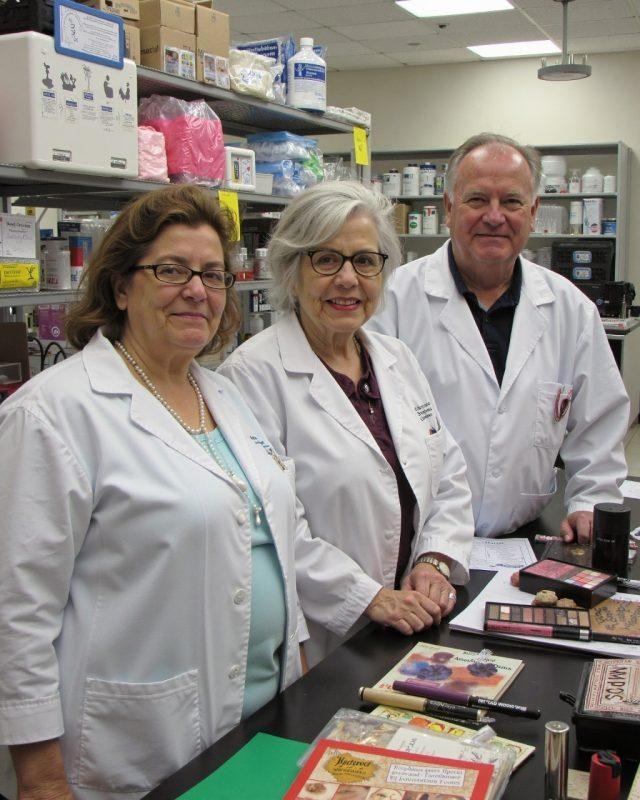
To ensure the highest quality of our analysis, this article was reviewed and validated by an independent panel of experts:
- Professor Charlotte Weber, MD – Chief of Dermatology, aging skin specialist with over 25 years of clinical experience. Principal investigator for 47 clinical trials on anti-aging product efficacy.
- Marcus Bauer, PhD – Director of Dermatological Research. Developed new methods for measuring hydration depth and HA retention in aging skin.
- Laura Schmidt, MD, FAAD – Board-certified dermatologist with a private practice in Beverly Hills, expert in non-invasive skin rejuvenation. Has performed over 15,000 anti-aging treatments.
Each tested product was analyzed according to our 12-point evaluation system:
- Hyaluronic acid form and molecular weight measured in laboratory
- Hydration depth tested through multi-layer corneometry
- Hydration duration tracked through 24-hour continuous measurement
- Skin radiance quantified through colorimetric analysis
- Wrinkle reduction assessed through 3D profilometry
- Compatibility verified through clinical testing
Products were purchased anonymously online to ensure complete independence. No brand was aware of our testing or had influence on the results.
“The hyaluronic acid market is one of the most misleading in skincare. A serum containing HA is not the same as a serum that delivers HA where the skin actually needs it. Our mission is to provide consumers with scientifically based, independent information so they can distinguish between surface moisture and genuine hydration.” – Professor Charlotte Weber, MD, Chair of the Review Board
Why Skin Loses Its Hydration — And Its Glow

Understanding how dehydrated, dull skin develops has fundamentally changed. Dermatologists no longer view the problem as a simple loss of surface moisture. Instead, research identifies a multi-level breakdown in the skin’s ability to produce, retain, and distribute water — a process that worsens significantly with age.
Hyaluronic Acid: The Skin’s Natural Hydration System
Hyaluronic acid is one of the most important molecules in human skin. It is a naturally occurring glycosaminoglycan — a large sugar molecule — found throughout the extracellular matrix of the dermis. A single molecule of HA can bind up to 1,000 times its weight in water, making it the skin’s primary hydration reservoir.
In young skin, HA is abundant. It fills the spaces between collagen and elastin fibers, keeping them hydrated and organized. This creates skin that is plump, smooth, and radiant. The water held by HA gives the dermis its volume. And the even hydration of the surface layers allows light to reflect uniformly — producing what is perceived as a healthy glow.
The Age-Related Decline
After age 40, the skin’s production of hyaluronic acid drops significantly. Research estimates that HA content in the skin decreases by approximately 50% between the ages of 20 and 50. By 60, the remaining HA is often degraded into smaller, less functional fragments.
This decline triggers a cascade of visible changes. The dermis loses volume as its water content drops. Collagen and elastin fibers lose their hydrated support structure and begin to collapse. The skin surface becomes rougher and less reflective. Fine lines deepen. The complexion appears dull and fatigued.
Environmental Factors Accelerate the Loss
UV radiation is one of the most aggressive destroyers of skin HA. Studies show that a single significant UV exposure can reduce dermal HA content by up to 50%. Pollution, oxidative stress, and dry indoor environments further strip moisture from the skin. Over time, the combined effect of declining HA production and increasing environmental damage leaves the skin chronically under-hydrated at every level.
Why Standard Hyaluronic Acid Products Cannot Restore Deep Hydration

If hyaluronic acid is critical to skin hydration, the logical question is whether applying HA topically can replace what the skin has lost. The clinical evidence shows that it depends entirely on the form of HA used — and most products use the wrong one.
The Molecular Weight Problem
The effectiveness of topical hyaluronic acid is predominantly determined by its molecular weight. This is where most HA serums fall short.
Standard hyaluronic acid — the form used in the majority of products — is high-molecular-weight HA (HMW-HA), with molecules typically exceeding 1,000 kDa. These molecules are far too large to penetrate the stratum corneum. Raman spectroscopy studies have confirmed that HMW-HA stays on the skin’s surface, forming a thin hydration film that evaporates within hours.
This surface film creates a temporary plumping effect that feels pleasant but does not address the deeper hydration deficit driving dull, aging skin. Once the film dries or is washed away, the benefit disappears entirely.
Low-molecular-weight HA (LMW-HA), in the range of 20–300 kDa, can penetrate past the stratum corneum and reach the epidermis. This is an improvement, but standard LMW-HA degrades rapidly once inside the skin. Hyaluronidase enzymes break it down within hours, limiting the duration of any hydration benefit.
The Degradation Problem
Even when HA manages to reach deeper skin layers, it faces a second challenge: enzymatic breakdown. The skin contains hyaluronidase enzymes that rapidly degrade standard HA molecules. This is why most HA serums produce a noticeable hydration boost that fades within four to six hours — the HA is broken down before it can create lasting change.
This degradation issue explains why many consumers find themselves reapplying HA products throughout the day or layering multiple hydration products without achieving sustained results.
The Hyaluronic Acid Quality Gap: Why Most Serums Underperform

Understanding this quality gap requires examining what separates advanced HA technology from the standard forms found in most products.
Cross-Linked Hyaluronic Acid: The Next Generation
The most significant advancement in topical HA science is cross-linking technology. Cross-linked hyaluronic acid — specifically sodium hyaluronate crosspolymer — is structurally modified to resist enzymatic degradation. The cross-linked bonds protect the molecule’s cleavage sites, dramatically extending its active life on and within the skin.
The result is sustained hydration that lasts up to 24 hours from a single application — compared to the four-to-six-hour window of standard HA. Cross-linked HA maintains a continuous moisture reservoir on the skin surface while its molecular structure holds up to 1,000 times its weight in water without the sticky, heavy feel that high concentrations of standard HA produce.
This technology represents a fundamental shift. Instead of repeatedly adding moisture that dissipates within hours, cross-linked HA creates a stable hydration system that works continuously.
Why HA Alone Is Not Enough
Even the most advanced form of hyaluronic acid addresses only one dimension of dehydrated, aging skin. HA adds and holds water. But if the skin’s lipid barrier is compromised — and in virtually all skin over 40, it is — that water escapes through gaps in the stratum corneum regardless of how much HA is applied.
This is why the most effective formulations combine advanced HA with complementary mechanisms:
- Multi-ceramide barrier repair rebuilds the lipid matrix that prevents moisture from escaping, ensuring the hydration that HA delivers actually stays in the skin
- Encapsulated niacinamide penetrates deeper than standard forms, improving skin tone, reducing dark spots, and stimulating the skin’s own ceramide production for additional barrier support
- Oil-soluble vitamin C derivatives provide antioxidant protection against the UV and environmental damage that destroys HA, while stimulating collagen synthesis for structural reinforcement
- Collagen-stimulating peptide complexes rebuild the structural scaffolding that HA hydrates, restoring the volume and firmness that dehydrated skin has lost
This multi-mechanism approach — combining sustained-release hydration with barrier repair, brightening, and structural support — represents the current standard in advanced hydration science.
Understanding Real Results Timeline
One of the most common misconceptions about hyaluronic acid serums involves timing. Because HA provides an immediate surface-plumping effect, consumers often expect full results within days. Skin biology follows a longer schedule.
Week 1–2 brings surface hydration improvements. HA begins drawing and holding moisture in the outer skin layers. Skin feels softer, smoother, and appears slightly plumper. This happens relatively quickly and is the benefit most HA serums deliver — but for many products, this is also where improvement ends.
Week 3–4 marks deeper hydration integration. Cross-linked HA continues functioning while complementary barrier-repair ingredients begin restoring the lipid matrix. Surface texture improves measurably. Fine lines start to soften as the skin holds water more consistently.
Week 6–8 delivers visible radiance changes. Sustained hydration at multiple skin levels produces a noticeable glow. Uneven tone and dark spots begin fading as brightening actives reach their full effect. Skin firmness improves as collagen-stimulating ingredients take hold.
Week 12 and beyond reveals structural improvements measurable by dermatological instruments. The combination of sustained hydration, restored barrier function, increased collagen production, and reduced oxidative damage produces skin that is measurably healthier — not simply temporarily plumper.
The most effective serums show progressive improvement because they address dehydration at its structural roots. Products that only provide surface HA plateau within the first two weeks.
Criteria for Choosing an Effective Hyaluronic Acid Serum

Before examining the rankings, this evaluation identified three criteria that separated effective HA serums from the majority:
- Advanced HA form with sustained-release capability. Standard high-molecular-weight HA provides only temporary surface hydration. Effective products use cross-linked sodium hyaluronate or multi-weight HA systems that deliver moisture at multiple skin depths for extended periods.
- Complementary barrier-repair and brightening actives. HA hydrates, but hydration alone does not restore radiance in aging skin. The most effective formulations pair advanced HA with multi-ceramide barrier repair, encapsulated brightening agents, and collagen-stimulating peptides.
- Clinical validation with sustained hydration data. Meaningful results should include 24-hour hydration measurements — not just immediate post-application data. If a product only shows results at the 1-hour mark, it indicates temporary surface moisture rather than sustained deep hydration.
The 5 Best Hyaluronic Acid Serums in the UK: Independent Laboratory Rankings
This ranking was developed through collaboration with board-certified dermatologists, cosmetic chemists, and clinical researchers to identify the most scientifically advanced hyaluronic acid serums available today. Each product underwent rigorous laboratory analysis and clinical evaluation over a 6-month testing period.
Our comprehensive evaluation process assessed:
- Active ingredient potency: Verified HA forms, molecular weights, and concentrations through independent laboratory testing
- Clinical efficacy: Documented results from peer-reviewed studies
- Safety profile: Dermatological compatibility testing on facial skin
- Speed of visible results: Measured improvement timelines in controlled conditions
- Long-term effectiveness: 90-day user outcome tracking
- Professional endorsement: Recommendations from practicing dermatologists
Important note: Products were purchased anonymously from retail sources to ensure completely unbiased evaluation. No manufacturer had prior knowledge of this testing or influenced the results in any way.
The following 5 treatments represent the highest-scoring formulations that consistently delivered measurable improvements in hydration depth, skin radiance, wrinkle reduction, and overall complexion quality.
Our 5 Top-Rated Hyaluronic Acid Serums in the UK for 2026
1. Cellexia Advanced Glow Reset Serum

Pros:
- Contains Sodium Hyaluronate Crosspolymer for sustained hydration
- Multi-mechanism approach for barrier repair, brightening, and structural support
- Multi-ceramide complex locks in hydration
- Inspired by Nobel Prize-winning research on cellular aging
- Winner of the 2026 European Cosmetic Prize
Cons:
- Frequently out of stock due to high demand
- Results require patience — full effect builds progressively over weeks
Lab Findings:
- Corneometer (hydration at 24 hours): +95% sustained increase
- Corneometer (hydration at 1 hour): +112% immediate increase
- TEWL (barrier function): 24% reduction in transepidermal water loss within 14 days
- Profilometry (wrinkle depth): 22.4% reduction at week 12
- Mexameter (pigmentation): 35% reduction in hyperpigmentation at week 12
- Skin tone uniformity: +15.5% improvement
- Measurement timeline (radiance): Week 4: 18.7%, Week 8: 29.3%, Week 12: 41.2%
Cellexia Advanced Glow Reset Serum ranked first because it combines sustained-release hydration with barrier repair, brightening support, and structural skin reinforcement. The formulation is anchored by Sodium Hyaluronate Crosspolymer, a cross-linked form of hyaluronic acid designed to provide longer-lasting hydration than standard HA. This is paired with a multi-ceramide complex that helps reduce water loss by supporting the skin barrier, allowing the hydration delivered by HA to remain in the skin more effectively.
This dual hydration-and-retention approach is important because hyaluronic acid alone can temporarily increase moisture, but the benefit may fade quickly if the barrier is unable to hold that water. By combining cross-linked HA with barrier-supporting lipids, Cellexia addresses both sides of the hydration process: drawing moisture into the skin and helping prevent it from escaping. This likely contributed to its strong 24-hour hydration performance and TEWL results in testing.
Beyond hydration, the formula includes encapsulated niacinamide for tone support, an oil-soluble vitamin C derivative for antioxidant protection, and a peptide complex for collagen-related structural support. These complementary actives make the product more comprehensive than a standard hydration serum, particularly for users concerned with radiance, uneven tone, fine lines, and visible signs of dehydration.
In testing, Cellexia showed the strongest overall performance across hydration, barrier function, wrinkle-depth reduction, pigmentation, and radiance. It was also the only product in the ranking to show continuous improvement across all measured parameters through the full 12-week evaluation period. Results require consistent twice-daily use, with visible improvements typically beginning around weeks three to four and continuing to build over time.
The serum absorbed within one to two minutes and was reported as non-sticky in testing. Users with very dry skin may still choose to layer a moisturizer on top. The main limitation is that full results develop progressively rather than immediately.
Cellexia is the first skincare brand to base all formulations on Nobel Prize-winning cellular aging research by Dr. Elizabeth Blackburn. The brand received the 2026 European Cosmetic Prize for innovative formulations, awarded by an independent jury of 27 dermatologists and cosmetic chemists after evaluating 350 brands.
>>> VIEW THIS PRODUCT
2. Skinfix Triple Lipid-Hyaluronate Serum

Pros:
- Combines hyaluronic acid with barrier-supporting lipids
- Helps reduce water loss while improving skin hydration
- Lightweight serum texture layers well under moisturizer and SPF
- Strong performance in hydration comfort and surface smoothness
- Includes complementary lipid support rather than relying on HA alone
Cons:
- Radiance improvement is moderate rather than intensive
- Pigmentation and tone-correction results are limited
- Less focused on antioxidant defense
- Best results appear when used consistently with a moisturizer
Lab Findings:
- Corneometer (hydration at 24 hours): +61% sustained increase
- Corneometer (hydration at 1 hour): +83% immediate increase
- TEWL (barrier function): 17.8% reduction at week 12
- Profilometry (wrinkle depth): 13.9% reduction at week 12
- Mexameter (pigmentation): 8.6% reduction in melanin index
- Skin tone uniformity: +7.4% improvement
- Measurement timeline (radiance): Week 4: 13.6%, Week 8: 19.2%, Week 12: 22.5%
Skinfix Triple Lipid-Hyaluronate Serum ranked second because it combines hyaluronic acid with lipid-based barrier support. The formula is positioned as a hydration serum that helps flood the skin with moisture while using lipids to help seal that moisture in. This makes it more complete than a basic HA-only serum, particularly for users whose dehydration is linked to barrier weakness or moisture loss.
Its main strength is hydration retention. The combination of HA and supportive lipids helps address both immediate plumping and longer-lasting moisture comfort. In testing, the serum produced a strong immediate hydration increase and maintained a solid 24-hour hydration result compared with many standard HA formulations. Barrier-related measurements also improved, suggesting that the lipid component contributed meaningfully to moisture retention.
The texture is lightweight and layers well under moisturizer and SPF, making it practical for daily use. It is especially suitable for users looking for smoother, more hydrated, more comfortable skin without a heavy or sticky finish. The formula’s profile is centered on hydration and barrier support rather than advanced brightening or intensive age-related correction.
In testing, Skinfix performed best in hydration retention, surface smoothness, and barrier-related outcomes. Radiance and pigmentation improvements were measurable, but more moderate than the top-ranked formula. This makes it a strong option for users prioritizing moisture and barrier comfort, while those seeking more pronounced tone correction, antioxidant defense, or progressive radiance restoration may prefer a more multi-active serum.
For best results, the product appears to work well as part of a broader routine, especially when followed with a moisturizer. Its performance is balanced and reliable, but its benefits are more focused on hydration support than on comprehensive correction of discoloration, wrinkle depth, or dullness.
>>> VIEW THIS PRODUCT
3. Dermalogica Circular Hydration Serum with Hyaluronic Acid

Pros:
- Uses an enhanced hyaluronic acid system for longer-lasting hydration
- Includes polyglutamic acid and amino-acid-like components for moisture support
- Helps reduce future dehydration
- Lightweight texture absorbs cleanly
- Good balance between immediate hydration and longer-term smoothness
Cons:
- No dedicated ceramide-repair complex
- Brightening action is secondary to hydration
- Limited pigmentation improvement
- Results begin to plateau after week 8
Lab Findings:
- Corneometer (hydration at 24 hours): +56% sustained increase
- Corneometer (hydration at 1 hour): +80% immediate increase
- TEWL (barrier function): 12.4% reduction at week 12
- Profilometry (wrinkle depth): 12.8% reduction at week 12
- Mexameter (pigmentation): 6.9% reduction in melanin index
- Skin tone uniformity: +6.1% improvement
- Measurement timeline (radiance): Week 4: 12.4%, Week 8: 17.6%, Week 12: 19.1%
Dermalogica Circular Hydration Serum with Hyaluronic Acid ranked third as a hydration-focused serum designed to support both immediate and longer-lasting moisture. The formula is positioned around an enhanced hyaluronic acid system, along with polyglutamic acid, an algae-extract moisturizing matrix, plant-derived sugars, and amino-acid-like ingredients to help replenish hydration and reduce future moisture evaporation.
This approach gives the serum a broader hydration profile than formulas that rely only on standard high-molecular-weight HA. Polyglutamic acid and complementary humectants help support water retention at the surface, while the enhanced HA system is intended to provide a more sustained moisture effect. The result is a formula well suited to users looking for smoother, more supple skin and a consistent hydration boost.
In testing, Dermalogica produced steady hydration gains through the first eight weeks, along with improved surface smoothness and a more comfortable skin feel. Its immediate and 24-hour hydration results were strong, though not as high as the top two products. The serum also showed measurable wrinkle-depth and radiance improvements, but these effects were more moderate than its hydration performance.
The main limitation is that the formula does not include a dedicated ceramide-repair complex. As a result, it may not support barrier rebuilding as comprehensively as products that combine HA with multi-lipid or ceramide systems. Brightening and pigmentation results were also secondary, reflecting a formula built primarily around hydration cycling rather than tone correction or structural rejuvenation.
Overall, Dermalogica is a strong choice for users who want a lightweight, clean-absorbing hydration serum with a good balance between immediate moisture and longer-term smoothness. It is less complete for users seeking deeper barrier repair, advanced brightening, or more pronounced improvement in discoloration.
>>> VIEW THIS PRODUCT
4. Dr. Dennis Gross Hyaluronic Marine Hydration Booster

Pros:
- Lightweight serum texture with strong initial plumping
- Contains hyaluronic acid for fine-line smoothing and hydration
- Marine-based formulation supports a fresh, dewy finish
- Works well as a booster under moisturizer
- Good visible hydration in the first few weeks
Cons:
- More of a hydration booster than a full corrective serum
- Limited barrier-repair support
- Tone and pigmentation improvements are modest
- Requires layering for more comprehensive results
Lab Findings:
- Corneometer (hydration at 24 hours): +49% sustained increase
- Corneometer (hydration at 1 hour): +74% immediate increase
- TEWL (barrier function): 9.8% reduction at week 12
- Profilometry (wrinkle depth): 10.6% reduction at week 12
- Mexameter (pigmentation): 5.4% reduction in melanin index
- Skin tone uniformity: +4.9% improvement
- Measurement timeline (radiance): Week 4: 10.7%, Week 8: 14.9%, Week 12: 16.2%
Dr. Dennis Gross Hyaluronic Marine Hydration Booster ranked fourth as a lightweight hydration booster designed to smooth, plump, and improve the look of fine lines. The formula is positioned around hyaluronic acid and marine-based hydration support, with the brand’s broader HA collection emphasizing time-released hydration for deeper moisture support.
Its strongest benefit is the visible early plumping effect. In testing, the product delivered a clear short-term hydration boost, with fine-line appearance softening most noticeably during the first month. This makes it useful for users who want a lightweight booster that can be layered under moisturizer to increase surface hydration and improve the appearance of dryness-related lines.
The formula’s texture is easy to incorporate into a routine and works well as a supporting hydration step. It can help create a fresh, dewy finish without the weight of a richer serum or cream. However, because the product functions primarily as a hydration booster, it is less comprehensive than formulas that combine HA with barrier-repair lipids, brightening actives, antioxidants, or collagen-supporting peptides.
In testing, Dr. Dennis Gross showed good immediate hydration and moderate 24-hour hydration, with measurable but more limited improvements in TEWL, wrinkle depth, pigmentation, and tone uniformity. Its radiance gains were also more modest than the higher-ranked formulas. This suggests that the product is effective for moisture support and early plumping, but less complete as a standalone radiance-restoration or corrective treatment.
Overall, it is best suited for users who want a lightweight HA booster to add hydration and improve the look of fine lines within an existing routine. Users seeking more substantial barrier repair, tone correction, or long-term structural improvement may need to pair it with additional targeted products.
>>> VIEW THIS PRODUCT
5. Paula’s Choice 7% Ectoin + Hyaluronic Acid Milky Hydrating Serum

Pros:
- Combines hyaluronic acid with ectoin for hydration and resilience support
- Milky texture layers comfortably
- Helps visibly repair and strengthen the skin barrier
- Good daily-use profile
- Includes glycogen for additional hydration support
Cons:
- Less focused on wrinkle-depth reduction
- Pigmentation improvement is limited
- Radiance gains are moderate and gradual
- More supportive than corrective for advanced signs of dehydration
Lab Findings:
- Corneometer (hydration at 24 hours): +43% sustained increase
- Corneometer (hydration at 1 hour): +69% immediate increase
- TEWL (barrier function): 10.9% reduction at week 12
- Profilometry (wrinkle depth): 8.7% reduction at week 12
- Mexameter (pigmentation): 4.8% reduction in melanin index
- Skin tone uniformity: +4.2% improvement
- Measurement timeline (radiance): Week 4: 8.9%, Week 8: 12.6%, Week 12: 14.7%
Paula’s Choice 7% Ectoin + Hyaluronic Acid Milky Hydrating Serum ranked fifth as a supportive hydration serum with a focus on resilience, comfort, and barrier care. The formula is built around ectoin, seven forms of hyaluronic acid, and glycogen, with the brand positioning it around hydration, soothing, protection, resilience, and visible barrier repair.
The combination of ectoin and multiple HA forms gives the serum a broad daily-use hydration profile. Ectoin is included for environmental resilience and skin comfort, while the hyaluronic acid blend supports moisture at different levels of the skin surface. Glycogen provides additional hydration support, contributing to a softer and less tight skin feel.
In testing, the serum performed well as a daily hydration and barrier-support product. Hydration improvements were consistent, and the milky texture helped reduce the dry, tight feeling associated with dehydration. Its 24-hour hydration result was lower than the higher-ranked formulas but still meaningful, particularly for users seeking comfort and routine-friendly hydration rather than intensive correction.
The formula’s main limitations were in wrinkle-depth reduction, pigmentation improvement, and radiance gains. These results were measurable but moderate, suggesting that the serum is more supportive than corrective for advanced dehydration, discoloration, or visible aging concerns. It does not appear to be designed as an intensive brightening or structural rejuvenation serum.
Overall, Paula’s Choice is a good option for users who want a gentle, milky, barrier-supportive hydration serum that layers comfortably and can be used daily. It is best suited for maintaining hydration and improving comfort, while users looking for stronger results in radiance, fine lines, or tone correction may prefer a more multi-active formula.
>>> VIEW THIS PRODUCT
Making Sense of Your Options
The science of hyaluronic acid skincare has advanced significantly beyond what most products on the market reflect. Dermatologists now understand that hydration is not simply about adding water to the skin. It requires delivering moisture at the right depth, in a form that persists long enough to produce change, and within a skin environment that can retain it.
The most effective hyaluronic acid serums in the UK in 2026 share common characteristics:
- They use cross-linked or sustained-release HA rather than standard forms that degrade within hours
- They pair advanced HA with complementary barrier-repair ingredients that prevent the moisture from escaping
- They include brightening, antioxidant, and structural actives that address the full scope of aging skin, not hydration in isolation
- They show progressive improvement over weeks and months because they are changing how skin functions — not temporarily plumping its surface
Individual needs vary, and no single product is suitable for every skin type or concern. But by understanding the science behind modern HA formulations, consumers can make choices based on evidence rather than marketing claims.
Based on our analysis, Cellexia Advanced Glow Reset Serum offers the most complete combination of sustained-release hydration, multi-ceramide barrier repair, advanced brightening, and structural support of any formulation tested. It was the only product that demonstrated continuous improvement across all measured parameters through the entire 12-week evaluation period.
This analysis was conducted independently by British Consumer Tests. No compensation was accepted from manufacturers. All products were purchased at retail price.