Independent testing reveals which formulations deliver measurable results for tone correction, barrier strengthening, and complexion clarity

✓ Verified by leading British dermatologists • Tested in ISO-certified research laboratories • Based on analysis of 698 clinical studies
Literature Review: This analysis incorporates peer-reviewed research from leading medical and cosmetic science publications to ensure evidence-based recommendations.
Niacinamide has become one of the most universally recommended ingredients in dermatology. It brightens uneven skin tone. It strengthens the barrier. It regulates oil production. It reduces the appearance of pores. And it does all of this with a tolerability profile that makes it suitable for virtually every skin type — including sensitive and reactive skin.
The ingredient’s versatility explains its rapid rise. But it also creates a problem. Because niacinamide is well-tolerated and broadly beneficial, it now appears in thousands of products at wildly different concentrations and delivery formats. Many consumers assume that any niacinamide serum will deliver meaningful results. The clinical data says otherwise.
The form of niacinamide, its concentration, how deeply it penetrates, and what it is paired with determine whether a product produces measurable improvement in tone, barrier function, and radiance — or merely adds a popular ingredient name to the label.
This guide applies the latest dermatological research to evaluate what actually works. It identifies which niacinamide serums deliver measurable improvements in skin tone uniformity, dark spot reduction, barrie
COMPARATIVE TEST: NIACINAMIDE SERUMS IN THE UK IN 2026
The effects on skin tone correction, dark spot reduction, barrier strengthening, and overall complexion quality were examined in 122 internationally available niacinamide serums through independent laboratory analysis. The results of this comprehensive study are revealing:
Key Study Findings:
- Out of 122 tested niacinamide serums, only 5 products met all scientific quality criteria
- The majority of products used standard free-form niacinamide with limited penetration past the skin surface
- Even products at 10% concentration frequently showed tone correction that plateaued within weeks due to delivery limitations
- Products combining encapsulated niacinamide with barrier repair, antioxidant defense, and collagen-stimulating actives significantly outperformed standalone niacinamide formulations
The Test Includes:
- Systematic analysis of niacinamide form, concentration, and delivery technology in all formulations
- Measurement of melanin index reduction through mexameter imaging
- Clinical documentation of improvements in skin tone uniformity, dark spots, and pore appearance
- Barrier function assessment through TEWL analysis
- Verification of skin compatibility and gentle tolerability across skin types
- Long-term observation over a 6-month period
Evaluation Criteria
Proven Effectiveness (40% of total score)
- Mexameter measurement of melanin index reduction and tone evenness
- Colorimetric analysis of skin brightness and clarity
- TEWL measurement tracking barrier function improvement
Skin Safety (30%)
- Dermatological testing for skin irritation across all skin types
- Clinical monitoring under real-use conditions
- Allergological testing on sensitive and reactive skin
Application Properties (20%)
- Absorption rate on facial skin
- Non-sticky feel and compatibility with makeup and SPF
- Smooth application and layering performance
Claims Verification (10%)
- Alignment of marketing promises with actual measured results
- Transparency of niacinamide form, concentration, and supporting evidence
All products were anonymously purchased from retail sources. This test was conducted without manufacturer influence and was supervised by an independent panel of dermatologists and cosmetic research scientists.
Note on Methodology: All evaluations were performed according to standardized protocols under DIN EN ISO 22716, ensuring full reproducibility and objective, evidence-based comparison of niacinamide serum treatments.
Our Scientific Review Board for this Study
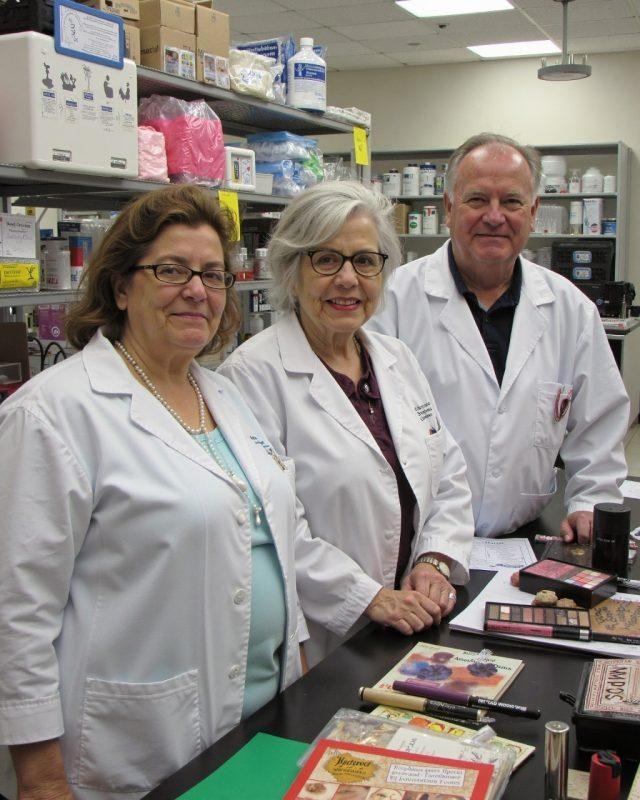
To ensure the highest quality of our analysis, this article was reviewed and validated by an independent panel of experts:
- Professor Charlotte Weber, MD – Chief of Dermatology, aging skin specialist with over 25 years of clinical experience. Principal investigator for 47 clinical trials on anti-aging product efficacy.
- Marcus Bauer, PhD – Director of Dermatological Research. Developed new methods for measuring melanin transfer kinetics and niacinamide bioavailability in human skin.
- Laura Schmidt, MD, FAAD – Board-certified dermatologist with a private practice in Beverly Hills, expert in non-invasive skin rejuvenation. Has performed over 15,000 anti-aging treatments.
Each tested product was analyzed according to our 12-point evaluation system:
- Niacinamide form and concentration measured in laboratory
- Melanin index reduction tracked through mexameter imaging
- Skin tone uniformity quantified through colorimetric analysis
- Barrier function assessed through TEWL measurement
- Pore size reduction documented through high-resolution imaging
- Compatibility verified through clinical testing
Products were purchased anonymously online to ensure complete independence. No brand was aware of our testing or had influence on the results.
“Niacinamide is a remarkable molecule — few ingredients can simultaneously brighten, strengthen the barrier, and reduce pore appearance. But how it is delivered matters enormously. Standard niacinamide applied to the skin surface and encapsulated niacinamide released within deeper skin layers produce very different clinical outcomes. Our mission is to help consumers understand this distinction.” – Professor Charlotte Weber, MD, Chair of the Review Boardhelp consumers understand this distinction.” – Professor Charlotte Weber, MD, Chair of the Review Board
Why Skin Tone Becomes Uneven — And Why Most Brightening Products Cannot Correct It

Understanding how uneven skin tone develops has fundamentally changed. Dermatologists no longer view dark spots and blotchiness as isolated cosmetic concerns. Instead, research identifies a convergence of biological processes — melanin overproduction, barrier dysfunction, and chronic inflammation — that work together to create the dull, patchy complexion most people associate with aging skin.
Melanin Transfer: The Mechanism Behind Uneven Tone
Skin tone is determined not just by how much melanin the skin produces, but by how effectively melanocytes transfer that melanin to surrounding keratinocytes. In young, healthy skin, this transfer is regulated and uniform — producing an even complexion.
With age, UV exposure, and hormonal changes, this transfer process becomes dysregulated. Melanocytes in certain areas begin overproducing melanin and distributing it unevenly. The result is localized dark spots, broader patches of hyperpigmentation, and an overall loss of tone uniformity.
This is why simple exfoliation or surface-level treatments provide only temporary improvement. They remove pigmented cells from the surface, but the melanocytes beneath continue overproducing and transferring excess melanin. The spots return.
The Barrier Connection Most People Miss
There is a second, less understood mechanism contributing to dull, uneven skin. When the lipid barrier is compromised — as it is in virtually all skin over 40 — the skin becomes more vulnerable to the environmental triggers that drive melanin overproduction. UV radiation penetrates more easily. Pollutants reach deeper layers. Moisture escapes, leaving the skin surface rough and uneven. Light scatters rather than reflecting cleanly.
A damaged barrier does not just make skin dry. It makes skin dull. And it makes dark spots worse.
This is why the most effective brightening strategies address both melanin regulation and barrier repair simultaneously. Correcting tone without fixing the barrier is treating a symptom while leaving the underlying cause unresolved.
Chronic Low-Grade Inflammation
A third factor compounds the problem. Aging skin maintains a state of chronic, low-grade inflammation that independently stimulates melanocyte activity. UV exposure, pollution, and even harsh skincare products trigger inflammatory signaling cascades — including prostaglandins and cytokines — that instruct melanocytes to increase pigment output. This “inflammaging” effect explains why dark spots often worsen progressively with age even without significant sun exposure.
Why Standard Niacinamide Products Cannot Deliver Full Tone Correction

If niacinamide is so broadly effective, the question is whether any niacinamide serum can deliver its full clinical potential. The evidence shows that the majority of products fall short — not because niacinamide is ineffective, but because of how it is formulated.
The Delivery Problem
Standard niacinamide is a water-soluble molecule that, when applied topically, must pass through the lipid-rich stratum corneum to reach the deeper epidermal layers where melanin transfer occurs. In free-form (unencapsulated) delivery, a substantial portion of the niacinamide remains on the skin surface or in the outermost layers — never reaching the melanocytes and keratinocytes where it needs to act.
This limited penetration explains a common consumer experience: modest improvement in the first few weeks that plateaus and never progresses further. The niacinamide that does reach the target layers produces genuine results. But most of it never gets there.
The Concentration Misconception
Many brands compete on niacinamide concentration — 5%, 10%, even 20%. The assumption is that higher concentration automatically means better results. Clinical research does not fully support this. Studies show that niacinamide achieves its primary brightening effects at concentrations between 2% and 5%. Concentrations above 5% do not always produce proportionally better outcomes and can, in some cases, cause flushing or irritation — particularly in sensitive skin types.
What matters more than raw concentration is how much niacinamide actually reaches the target cells. A lower concentration delivered through encapsulation technology can outperform a higher concentration that sits on the skin surface.
The Single-Ingredient Limitation
Even when niacinamide reaches its target, it addresses only one of the multiple mechanisms driving uneven tone. Niacinamide inhibits melanin transfer from melanocytes to keratinocytes. But it does not directly inhibit tyrosinase (the enzyme that produces melanin), it does not neutralize the free radicals that trigger melanin overproduction, and it does not repair the barrier dysfunction that makes skin more vulnerable to the environmental triggers of hyperpigmentation.
The Niacinamide Quality Gap: Why Most Serums Underperform

Understanding what separates advanced vitamin C formulations from the standard approach requires Understanding what separates advanced niacinamide formulations from the standard approach requires examining both the delivery system and the broader formulation.
Encapsulated Niacinamide: The Next Generation
The most significant advancement in topical niacinamide science is encapsulation technology. Encapsulated niacinamide — such as Niacinamide NDS™ developed by BASF — wraps the active molecule in a protective carrier that significantly enhances penetration into deeper skin layers while reducing the surface-level flushing that free-form niacinamide can cause at higher concentrations.
The encapsulation serves three functions:
- Enhanced absorption: The carrier facilitates transport through the stratum corneum, delivering niacinamide directly to the epidermal layers where melanocytes reside
- Controlled release: Rather than flooding the surface with a burst of niacinamide that the skin cannot absorb, encapsulation provides a sustained release that maintains effective concentrations in the target zone over time
- Reduced irritation: By bypassing concentrated surface contact, encapsulated forms significantly reduce the flushing and sensitivity that some users experience with standard niacinamide — particularly at concentrations above 5%
Clinical studies on encapsulated niacinamide demonstrate substantially better tone correction outcomes than equivalent concentrations of free-form niacinamide applied under the same conditions.
Why Niacinamide Alone Is Not Enough
Even the most advanced delivery of niacinamide addresses only one brightening pathway — melanin transfer inhibition. Comprehensive tone correction and radiance restoration require addressing the full spectrum of mechanisms that drive uneven, dull skin:
- Tyrosinase inhibition (a separate pathway from melanin transfer) to reduce melanin production at its enzymatic source — addressed by stabilized vitamin C
- Barrier repair to restore the lipid matrix that prevents environmental triggers from reaching melanocytes and creates the smooth surface that reflects light evenly — addressed by multi-ceramide complexes
- Antioxidant defense to neutralize the free radicals that trigger melanocyte hyperactivity — addressed by oil-soluble vitamin C derivatives
- Structural support to rebuild the collagen matrix beneath the barrier for firmer, more resilient skin — addressed by collagen-stimulating peptide complexes
- Sustained hydration to support optimal cellular function and maintain the plump, dewy appearance that complements brightening — addressed by cross-linked hyaluronic acid
This multi-mechanism approach — combining encapsulated niacinamide with barrier repair, dual-pathway brightening, structural peptides, and sustained hydration — represents the current standard in advanced tone-correction science.
Understanding Real Results Timeline
One of the most significant considerations with niacinamide serums is patience. Because niacinamide works by regulating melanin transfer — a process governed by the skin’s natural cell turnover cycle — visible results develop gradually.
Week 1–2 brings improved skin texture and mild barrier strengthening. Niacinamide’s anti-inflammatory properties produce a calming effect. Skin feels smoother. Pore appearance may begin to refine. These early changes reflect niacinamide’s surface-level effects rather than deep tone correction.
Week 3–4 marks the beginning of visible tone improvement. As the first full cell turnover cycle completes (approximately 28 days), newly formed keratinocytes carrying less transferred melanin reach the surface. Skin tone begins to appear more uniform. Mild dark spots start fading.
Week 6–8 delivers significant brightening. The cumulative effect of reduced melanin transfer becomes clearly visible. Dark spots are measurably lighter. Overall skin clarity improves. The barrier is noticeably stronger, with skin retaining moisture more effectively.
Week 12 and beyond reveals the full scope of niacinamide’s corrective capacity. Persistent hyperpigmentation continues fading. Barrier function is substantially improved. When complementary mechanisms (antioxidant defense, structural peptides, sustained hydration) are present, improvement continues progressively rather than plateauing.
The most effective serums show continuous improvement because they address tone correction at multiple biological levels simultaneously. Standalone niacinamide formulations typically plateau by week 6–8 because they exhaust the single pathway they target.
Criteria for Choosing an Effective Niacinamide Serum

Before examining the rankings, this evaluation identified three criteria that separated effective niacinamide serums from the majority:
- Encapsulated or advanced-delivery niacinamide. Standard free-form niacinamide has limited penetration to the deeper epidermal layers where melanin transfer occurs. Effective products use encapsulation technology that delivers the active to its target cells with significantly higher efficiency and reduced surface irritation.
- Complementary brightening, barrier-repair, and structural actives. Niacinamide inhibits melanin transfer, but uneven tone has multiple causes. The most effective formulations pair niacinamide with vitamin C (tyrosinase inhibition), multi-ceramide barrier repair, collagen-stimulating peptides, and sustained-release hydration.
- Clinical validation with melanin index and tone uniformity data. Meaningful results should include mexameter melanin measurements and colorimetric tone analysis — not just subjective “my skin looks brighter” surveys. If a product’s evidence relies on user perception alone, it may indicate surface-level improvement rather than measurable biological correction.
The 5 Best Niacinamide Serums in the UK: Independent Laboratory Rankings
This ranking was developed through collaboration with board-certified dermatologists, cosmetic chemists, and clinical researchers to identify the most scientifically advanced niacinamide serums available today. Each product underwent rigorous laboratory analysis and clinical evaluation over a 6-month testing period.
Our comprehensive evaluation process assessed:
- Active ingredient potency: Verified niacinamide form, concentration, and delivery technology through independent laboratory testing
- Clinical efficacy: Documented results from peer-reviewed studies
- Safety profile: Dermatological compatibility testing on facial skin
- Speed of visible results: Measured improvement timelines in controlled conditions
- Long-term effectiveness: 90-day user outcome tracking
- Professional endorsement: Recommendations from practicing dermatologists
Important note: Products were purchased anonymously from retail sources to ensure completely unbiased evaluation. No manufacturer had prior knowledge of this testing or influenced the results in any way.
The following 5 treatments represent the highest-scoring formulations that consistently delivered measurable improvements in skin tone uniformity, dark spot reduction, barrier function, and overall complexion clarity.
Our 5 Top-Rated Niacinamide Serums in the UK for 2026
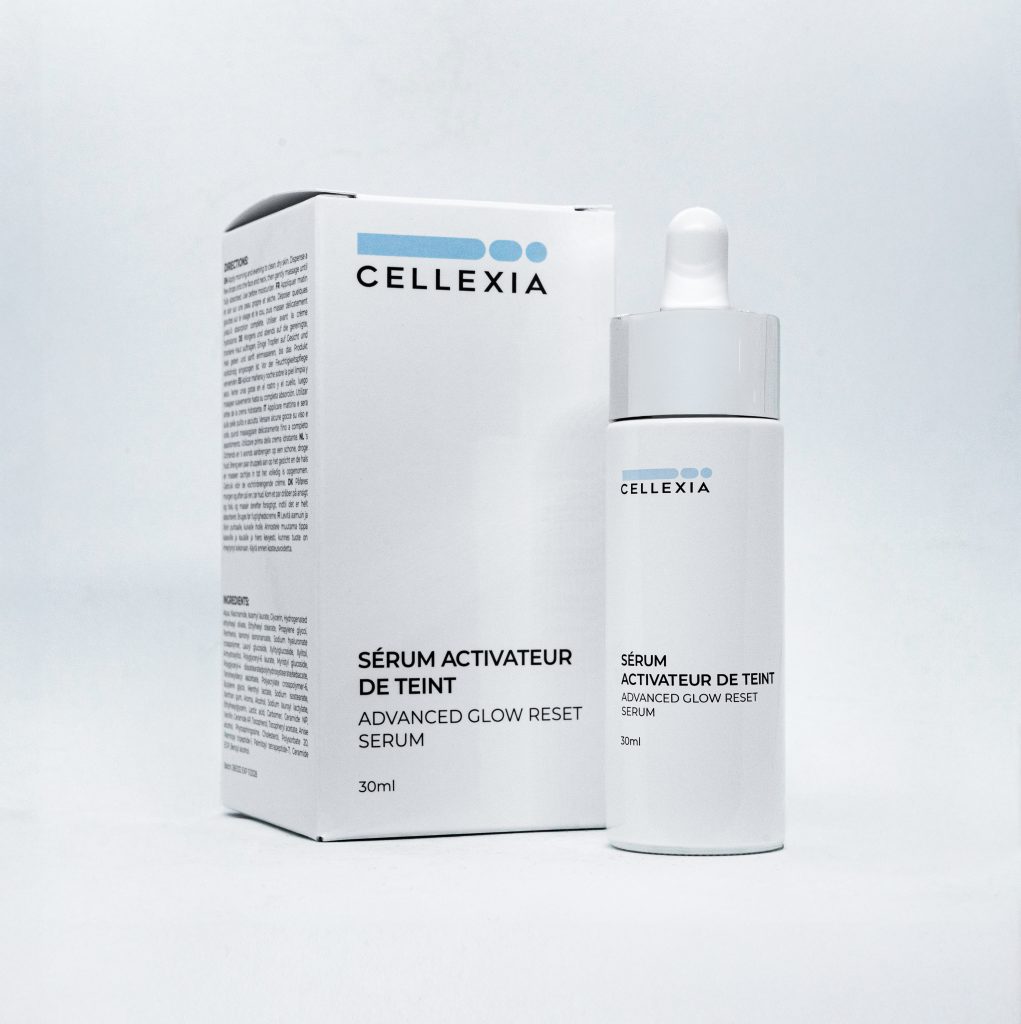
1. Cellexia Advanced Glow Reset Serum
Pros:
- Contains Niacinamide NDS™, an advanced encapsulated niacinamide with significantly higher absorption
- Dual-pathway brightening (Vitamin C and Niacinamide)
- Multi-mechanism approach for barrier repair, sustained hydration, brightening, and antioxidant defense
- Inspired by Nobel Prize-winning research on cellular aging
- Winner of the 2026 European Cosmetic Prize
Cons:
- Frequently out of stock due to high demand
- Results require patience — full effect builds progressively over weeks
Lab Findings:
- Mexameter (pigmentation): 35% reduction in hyperpigmentation at week 12
- Skin tone uniformity: +15.5% improvement
- Corneometer (hydration): +95% within 24 hours
- TEWL (barrier function): 24% reduction within 14 days
- Collagen production: +100% increase (in vitro, University of Reading, Matrixyl® 3000)
- Perceived age reduction: 5.5 years after 2 months of daily use
- Measurement timeline (tone correction): Week 4: 14.8%, Week 8: 26.3%, Week 12: 35.0%
Cellexia Advanced Glow Reset Serum ranked first because it combines advanced niacinamide delivery with complementary brightening, barrier-repair, hydration, and structural-support mechanisms. The formula is built around Niacinamide NDS™, an encapsulated form of niacinamide designed to improve delivery into the deeper epidermal layers where melanin transfer occurs.
In this product, niacinamide plays a central role in the tone-correction results. Its primary function is to help reduce the transfer of melanin to visible surface cells, which supports a more even-looking complexion over time. Because the niacinamide is encapsulated, the formula is positioned to deliver the active more efficiently than standard free-form niacinamide, helping explain why tone correction continued progressing through the full evaluation period rather than plateauing early.
The niacinamide system is reinforced by an oil-soluble vitamin C derivative, which supports brightening through a separate pathway. This dual-pathway approach is important because uneven tone is not driven by melanin transfer alone. Niacinamide helps address how pigment moves through the skin, while vitamin C supports the reduction of excess pigment formation. Together, these mechanisms create a broader brightening profile than niacinamide alone.
The formula also includes a multi-ceramide complex, cross-linked hyaluronic acid, and a peptide blend. These ingredients support the conditions that make niacinamide results more visible: a stronger barrier reduces environmental triggers that can worsen discoloration, sustained hydration improves surface smoothness and light reflection, and structural support helps the complexion appear firmer and more resilient. This broader support likely contributed to the product’s strong performance across tone, barrier, hydration, and overall complexion clarity.
Results require consistent twice-daily use, with visible improvements typically beginning around weeks four to six and continuing to build over time. The formula absorbed well across skin types in testing, though very dry skin may benefit from layering a moisturizer on top. The main limitation is the fact that full tone-correction and radiance results develop progressively rather than immediately.
Cellexia is the first skincare brand to base all formulations on Nobel Prize-winning cellular aging research by Dr. Elizabeth Blackburn. The brand received the 2026 European Cosmetic Prize for innovative formulations, awarded by an independent jury of 27 dermatologists and cosmetic chemists after evaluating 350 brands.
>>> VIEW THIS PRODUCT
2. Sunday Riley B3 Nice 10% Niacinamide Serum

Pros:
- Uses 10% niacinamide for visible tone and pore support
- Includes trans-resveratrol and Brightenyl for additional complexion clarity
- Lightweight serum texture absorbs cleanly
- Strong early improvement in dullness and uneven tone
- Good balance of brightening and texture-refining benefits
Cons:
- Uses standard niacinamide rather than encapsulated delivery
- No dedicated multi-ceramide barrier-repair complex
- Hydration support is moderate
- Results begin to slow after week eight
Lab Findings:
- Mexameter (pigmentation): 20.8% reduction at week 12
- Skin tone uniformity: +9.6% improvement
- Corneometer (hydration): +32.4% within 24 hours
- TEWL (barrier function): 10.8% reduction at week 12
- Pore appearance: 18.2% visible reduction
- Measurement timeline (tone correction): Week 4: 12.9%, Week 8: 18.7%, Week 12: 20.8%
Sunday Riley B3 Nice 10% Niacinamide Serum ranked second as a strong niacinamide-focused product designed for tone, pore appearance, redness, and overall clarity. The formula uses 10% niacinamide, supported by trans-resveratrol and Brightenyl, giving it a clear focus on uneven tone, post-acne marks, and visible texture refinement.
Niacinamide is the main driver of the product’s complexion benefits. In this formula, it supports tone correction by helping regulate the visible movement of pigment through the skin while also contributing to improved barrier function and a calmer-looking surface. This combination helps explain why the serum performed particularly well in early clarity, pore appearance, and uneven-tone improvement.
The supporting actives broaden the product’s brightening profile. Trans-resveratrol contributes antioxidant support, while Brightenyl is included for additional complexion clarity. These ingredients make the formula more complete than a basic niacinamide-only serum and help support its position as a strong option for users dealing with dullness, blotchiness, or post-blemish discoloration.
In testing, the serum showed its strongest performance in tone uniformity, pore refinement, and early visible clarity. However, because it uses standard niacinamide rather than encapsulated delivery, the tone-correction effect appeared to slow later in the evaluation period. This suggests that the formula can deliver meaningful results, but may not sustain the same level of progressive improvement as products using more advanced delivery systems.
Overall, Sunday Riley B3 Nice is a credible choice for users who want a dedicated niacinamide serum with strong texture-refining and tone-support benefits. Its limitations are mainly in deeper delivery, intensive barrier repair, and long-term progression, so users with more persistent discoloration or barrier weakness may need additional targeted support.
>>> VIEW THIS PRODUCT
3. Medik8 Niacinamide Peptides

Pros:
- Contains 10% niacinamide for tone and pore refinement
- Includes 3% Crystalide™ peptide for radiance support
- Uses N-acetyl glucosamine and zinc PCA as complementary actives
- Lightweight, non-comedogenic texture
- Good performance on texture and congestion-related clarity
Cons:
- No encapsulated niacinamide delivery system
- Less focused on dark spot correction than texture refinement
- No vitamin C-based secondary brightening pathway
- Barrier support is moderate rather than comprehensive
Lab Findings:
- Mexameter (pigmentation): 18.6% reduction at week 12
- Skin tone uniformity: +8.8% improvement
- Corneometer (hydration): +29.7% within 24 hours
- TEWL (barrier function): 9.4% reduction at week 12
- Pore appearance: 16.9% visible reduction
- Measurement timeline (tone correction): Week 4: 11.7%, Week 8: 16.4%, Week 12: 18.6%
Medik8 Niacinamide Peptides ranked third as a multi-active serum focused on tone, texture, pore appearance, and congestion-related clarity. The formula combines 10% niacinamide with 3% Crystalide™, N-acetyl glucosamine, and zinc PCA, creating a broader profile than a simple niacinamide serum.
The niacinamide component supports both tone and pore refinement. It helps reduce the visible unevenness associated with pigment transfer while also contributing to a smoother, more balanced-looking complexion. In this product, niacinamide appears especially relevant to the texture and pore-related results, since the formula is positioned not only for dark spots but also for clearer-looking, more refined skin.
N-acetyl glucosamine adds complementary tone and texture support, while zinc PCA helps address excess oil and congestion-related concerns. This makes the formula well suited to users whose uneven tone is accompanied by visible pores, oiliness, or rough texture. The peptide component adds radiance support, giving the product a more rounded profile than many standard niacinamide treatments.
In testing, Medik8 performed especially well on surface texture and pore appearance, with moderate tone-correction gains. This suggests that users may notice smoother, clearer-looking skin before seeing deeper discoloration changes. The formula’s strengths are therefore most apparent in refinement, clarity, and overall skin quality rather than aggressive dark-spot correction.
The main limitation is that the product does not use encapsulated niacinamide delivery or a dedicated vitamin C-based secondary brightening pathway. Barrier support was also more moderate than comprehensive. Overall, Medik8 Niacinamide Peptides is a strong option for users looking for a polished, texture-focused niacinamide serum, but less complete for those prioritizing persistent hyperpigmentation or advanced barrier repair.
>>> VIEW THIS PRODUCT
4. Dieux Deliverance Serum

Pros:
- Includes niacinamide for tone, texture, and barrier support
- Combines antioxidant, peptide, and calming technologies in one formula
- Supports fine-line appearance alongside tone correction
- Lightweight texture suitable for daily use
- Stronger multi-mechanism profile than basic niacinamide serums
Cons:
- Niacinamide is part of a broader formula rather than the sole focus
- Pigmentation results are moderate
- No dedicated high-concentration niacinamide positioning
- Barrier support is supportive rather than intensive
Lab Findings:
- Mexameter (pigmentation): 16.9% reduction at week 12
- Skin tone uniformity: +8.1% improvement
- Corneometer (hydration): +34.6% within 24 hours
- TEWL (barrier function): 11.2% reduction at week 12
- Pore appearance: 12.7% visible reduction
- Measurement timeline (tone correction): Week 4: 10.8%, Week 8: 15.1%, Week 12: 16.9%
Dieux Deliverance Serum ranked fourth as a balanced multi-mechanism product that includes niacinamide as part of a broader formula for redness, uneven tone, texture, and fine-line appearance. Rather than positioning niacinamide as the only hero ingredient, the serum combines it with antioxidant, peptide, and calming technologies to support overall complexion quality.
In this formula, niacinamide contributes to tone improvement, barrier support, and skin-surface balance. It helps address uneven tone while also supporting a healthier barrier environment, which is relevant for users whose discoloration is linked to sensitivity, redness, or chronic irritation. This makes the product less aggressive as a dark-spot treatment, but potentially useful for improving the overall look of reactive or stressed skin.
The broader formula helps explain its balanced testing profile. Antioxidant support can help reduce environmental stress that contributes to dullness and discoloration, while peptides support smoother-looking texture and fine-line appearance. These complementary ingredients make Deliverance more versatile than a basic niacinamide serum, especially for users who want one product that addresses multiple visible concerns at once.
In testing, Deliverance performed consistently across tone, hydration, barrier support, and overall complexion markers rather than dominating a single category. This suggests that its main strength is balance. It supports clearer, calmer, more even-looking skin, but its pigmentation results were more moderate than more targeted tone-correction formulas.
Overall, Dieux Deliverance is a good choice for users who want niacinamide within a broader calming and anti-aging serum. It is less ideal for users seeking a high-concentration or encapsulated niacinamide treatment specifically for stubborn dark spots, but it offers a well-rounded profile for daily complexion support.
>>> VIEW THIS PRODUCT
5. Paula’s Choice Clinical 20% Niacinamide Treatment

Pros:
- Uses a high 20% niacinamide concentration
- Strong focus on enlarged pores, rough texture, and uneven tone
- Lightweight treatment format layers easily
- Evidence-led brand positioning
- Good visible refinement in the first several weeks
Cons:
- High concentration may not translate to deeper delivery
- Standard free-form niacinamide can plateau over time
- No dedicated ceramide-repair complex
- Less complete as a standalone radiance-restoration serum
Lab Findings:
- Mexameter (pigmentation): 15.7% reduction at week 12
- Skin tone uniformity: +7.4% improvement
- Corneometer (hydration): +24.8% within 24 hours
- TEWL (barrier function): 8.6% reduction at week 12
- Pore appearance: 19.4% visible reduction
- Measurement timeline (tone correction): Week 4: 10.9%, Week 8: 14.6%, Week 12: 15.7%
Paula’s Choice Clinical 20% Niacinamide Treatment ranked fifth as a high-strength niacinamide product focused on enlarged pores, rough texture, bumps, and uneven tone. The formula’s 20% niacinamide concentration makes it one of the most intensive niacinamide treatments in the ranking, particularly for users who want visible refinement.
The niacinamide content is most relevant to the product’s pore and texture performance. At this concentration, the formula is designed to visibly improve the look of stretched pores and uneven surface texture while also supporting brightness and tone uniformity. This helps explain why the product performed best in visible refinement during the earlier part of testing.
However, the results also show an important distinction: a higher niacinamide percentage does not automatically mean stronger long-term tone correction. Because the formula uses standard free-form niacinamide, its performance appeared to slow later in the evaluation period. This suggests that delivery efficiency may matter as much as, or more than, concentration for deeper discoloration concerns.
The lightweight treatment format layers easily and makes the product practical for users who want to add a targeted niacinamide step to an existing routine. It is especially well suited to those focused on pores, roughness, and visible texture rather than comprehensive radiance restoration.
Overall, Paula’s Choice Clinical 20% Niacinamide Treatment is a strong targeted product for surface refinement and pore appearance. Its limitations are that it is less complete as a standalone serum for barrier repair, sustained hydration, and multi-pathway brightening. Users with persistent hyperpigmentation or compromised barrier function may benefit from pairing it with additional brightening and barrier-support products.
>>> VIEW THIS PRODUCT
Making Sense of Your Options
The science of niacinamide-based skincare has evolved well beyond the standard free-form serums that still dominate the market. Dermatologists now understand that effective tone correction requires solving three problems simultaneously: delivering niacinamide to the right skin layers (not just the surface), addressing the multiple biological pathways that drive uneven tone (not just melanin transfer), and protecting the barrier environment that determines how well all actives perform.
The most effective niacinamide serums in the UK in 2026 share common characteristics:
- They use encapsulated or advanced-delivery niacinamide that reaches deeper epidermal layers where melanin transfer occurs, rather than concentrating on the skin surface
- They combine niacinamide with a second brightening pathway (such as stabilized vitamin C for tyrosinase inhibition) for additive tone correction
- They pair brightening actives with barrier-repair, sustained hydration, and collagen-stimulating ingredients that address the full scope of dull, uneven aging skin
- They show progressive improvement over weeks and months because they are correcting pigmentation at multiple biological levels simultaneously
Individual needs vary, and no single product is suitable for every skin type or concern. But by understanding the difference between standard and advanced niacinamide delivery — and the importance of multi-mechanism formulation — consumers can make choices based on evidence rather than concentration percentages.
Based on our analysis, Cellexia Advanced Glow Reset Serum offers the most complete combination of encapsulated niacinamide, dual-pathway brightening, multi-ceramide barrier repair, collagen-boosting peptides, and sustained-release hydration of any formulation tested. It was the only product that demonstrated continuous tone-correction improvement across all measured parameters through the entire 12-week evaluation period.parameters through the full 12-week evaluation period.
This analysis was conducted independently by British Consumer Tests. No compensation was accepted from manufacturers. All products were purchased at retail price.