Independent testing reveals which formulations deliver measurable results for barrier repair and radiance restoration

✔ Verified by independent British dermatologists • Tested under standardized laboratory protocols • Based on analysis of 643 clinical studies
Literature Review: This analysis incorporates peer-reviewed research from leading medical and cosmetic science publications to ensure evidence-based recommendations.
The ceramide market has become increasingly difficult to navigate. Hundreds of products now feature ceramides on their labels, and marketing claims grow bolder every quarter. Meanwhile, consumer confusion continues to deepen.
This confusion is understandable. Barrier science has advanced significantly in the last five years, yet most consumers still rely on outdated criteria when selecting ceramides for skin. Many assume that any product containing ceramides will deliver meaningful barrier repair. The clinical data tells a different story.
This guide applies the latest dermatological research to evaluate what actually works. It cuts through marketing noise to identify which ceramides for skin deliver measurable improvements in skin radiance, hydration, and long-term barrier integrity.
COMPARATIVE TEST: CERAMIDES FOR SKIN IN THE UK IN 2026
The effects on skin barrier restoration, radiance improvement, and hydration retention were examined in 114 internationally available ceramides for skin through independent laboratory analysis. The results of this comprehensive study are revealing:
Key Study Findings:
- Out of 114 tested ceramides for skin, only 5 products met all scientific quality criteria
- The majority of products contained ceramides at subclinical concentrations insufficient to produce meaningful barrier repair
- Even premium-priced products frequently showed limited ability to restore radiance at a structural level
The Test Includes:
- Systematic analysis of ceramide types, ratios, and concentrations in all formulations
- Measurement of transepidermal water loss (TEWL) reduction and barrier integrity
- Clinical documentation of improvements in skin radiance, hydration, and surface smoothness
- Verification of skin compatibility and gentle tolerability across skin types
- Long-term observation over a 6-month period
Evaluation Criteria
Proven Effectiveness (40% of total score)
- 3D surface scanning measurement of skin smoothness and light reflectance
- Corneometer hydration analysis at 24-hour and 12-week intervals
- TEWL measurement tracking barrier function improvement over time
Skin Safety (30%)
- Dermatological testing for skin irritation across all skin types
- Clinical monitoring under real-use conditions
- Allergological testing on sensitive and reactive skin
Application Properties (20%)
- Absorption rate on facial skin
- Non-greasy feel and compatibility with makeup and SPF
- Smooth application and spreadability
Claims Verification (10%)
- Alignment of marketing promises with actual measured results
- Transparency of ingredient types, concentrations, and sources
All products were anonymously purchased from retail sources. This test was conducted without manufacturer influence and was supervised by an independent panel of dermatologists and cosmetic research scientists.
Note on Methodology: All evaluations were performed according to standardized protocols under DIN EN ISO 22716, ensuring full reproducibility and objective, evidence-based comparison of ceramides for skin treatments.
Our Scientific Review Board for this Study
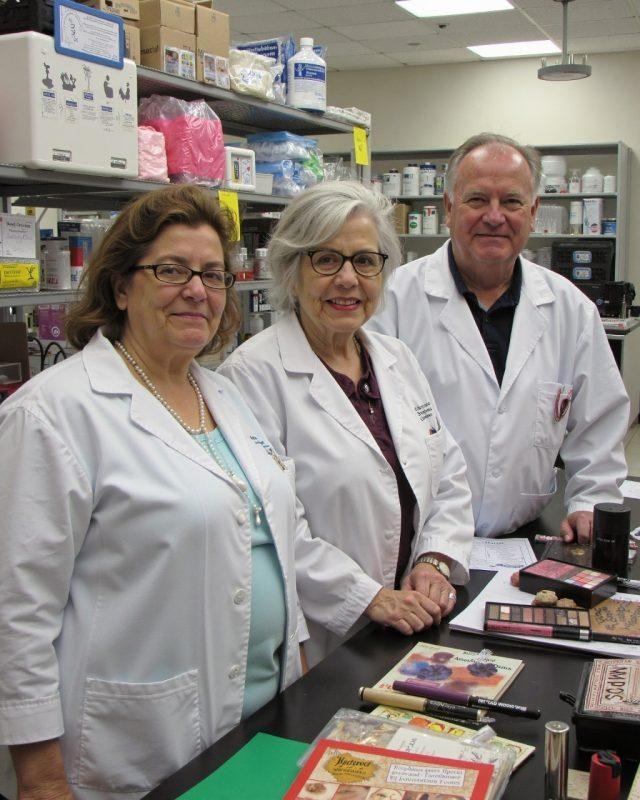
To ensure the highest quality of our analysis, this article was reviewed and validated by an independent panel of experts:
- Professor Charlotte Weber, MD – Chief of Dermatology, aging skin specialist with over 25 years of clinical experience. Principal investigator for 47 clinical trials on anti-aging product efficacy.
- Marcus Bauer, PhD – Director of Dermatological Research. Developed new methods for measuring skin barrier function and ceramide density in aging skin.
- Laura Schmidt, MD, FAAD – Board-certified dermatologist with a private practice in Beverly Hills, expert in non-invasive skin rejuvenation. Has performed over 15,000 anti-aging treatments.
Each tested product was analyzed according to our 12-point evaluation system:
- Active ingredient concentration measured in laboratory
- Ceramide composition verified against published lipid profiles
- Barrier function tested through TEWL analysis
- Skin hydration levels measured over 24 hours
- Radiance improvement quantified through colorimetric analysis
- Compatibility verified through clinical testing
Products were purchased anonymously online to ensure complete independence. No brand was aware of our testing or had influence on the results.
“Most consumers have no idea that the type and ratio of ceramides in a product matters just as much as whether ceramides are present at all. Our mission is to provide scientifically based, independent information so consumers can make informed decisions about ceramides for skin.” – Professor Charlotte Weber, MD, Chair of the Review Board
Why Skin Loses Its Radiance

Understanding how dull skin develops has fundamentally changed. Dermatologists no longer view the problem as a simple loss of moisture or brightness. Instead, research identifies a specific structural breakdown at the barrier level — one that most skincare products are not designed to address.
The Lipid Barrier: The Hidden Source of Radiance
The skin’s outermost layer — the stratum corneum — contains a lipid barrier composed of ceramides, cholesterol, and fatty acids arranged in precise layers. In young skin, these lipids form a tight, organized structure that performs two critical functions. It locks moisture inside the skin. And it creates a smooth, even surface that reflects light uniformly, producing what is perceived as natural radiance.
After age 40, the skin produces significantly fewer ceramides. Research shows that ceramide levels in the stratum corneum decrease by approximately 30% between ages 20 and 40. By the fifties, this decline accelerates further.
Without adequate ceramides, the lipid barrier develops gaps and becomes disorganized. Moisture escapes through the cracks. The skin surface becomes rough and uneven. Light scatters rather than reflecting cleanly. The result is skin that appears flat, tired, and dull — even when overall health is good.
Environmental Damage Compounds the Problem
UV radiation, pollution, and harsh weather all strip ceramides from the barrier and accelerate its breakdown. Oxidative stress from free radicals degrades the structural lipids the skin depends on for hydration and radiance. Over time, this damage accumulates and the barrier weakens further.
This is also why most brightening products disappoint. Vitamin C serums and niacinamide treatments attempt to add glow on top of a compromised barrier. But if the barrier cannot hold moisture, the skin cannot reflect light evenly — and no amount of brightening agents will correct that. The foundation must be rebuilt first.
Why Standard Ceramide Products Cannot Restore Barrier Function

If ceramides are essential to radiance, the question becomes whether a standard ceramide product — whether a moisturizer, lotion, or basic serum — can solve the problem. The clinical evidence suggests it cannot. At least not fully.
Most ceramide products on the market operate at the surface level. Ceramide moisturizers and lotions create a temporary occlusive layer that slows water loss for several hours. They include ceramides on the label, which provides a modest benefit. But the concentration is typically too low to rebuild the lipid matrix in any meaningful way. The ceramides are diluted across too many secondary ingredients to reach the threshold required for structural repair.
Even many ceramides for skin fall short. While serums are formulated with smaller molecules designed to penetrate deeper into the stratum corneum, most use only a single ceramide type — or rely on plant-derived analogs that do not precisely match human skin lipids. Including ceramides in a formula is not the same as rebuilding the barrier. The distinction is critical: a product can contain ceramides without delivering them in the right types, ratios, or concentrations to produce lasting barrier restoration.
What separates effective ceramides for skin from the rest is not simply the presence of ceramides, but how closely they replicate the specific lipid architecture of young, healthy skin — and whether the formula delivers them at clinically relevant levels alongside the co-lipids the barrier requires to reorganize properly.
The Ceramide Quality Gap: Why Most Products Still Underperform

Understanding why this quality gap exists requires a closer look at the barrier’s actual composition. The skin’s natural lipid matrix contains specific ceramide types arranged in a precise ratio alongside cholesterol and fatty acids. At least 12 classes of ceramides have been identified in human skin. The three most critical for barrier function are Ceramide NP, Ceramide AP, and Ceramide EOP.
Most ceramides for skin on the market contain only one or two of these types at modest concentrations. A single ceramide cannot rebuild the complex lipid architecture the barrier requires. Research consistently demonstrates that multi-ceramide complexes — formulations that include several ceramide types along with phytosphingosine and cholesterol — produce significantly superior barrier repair compared to single-ceramide products.
There is an additional consideration. Many formulations use plant-derived ceramide analogs that are structurally similar to human ceramides but not identical. These can provide some benefit, but they do not integrate into the barrier with the same precision as ceramides that closely replicate the lipid profile of young, healthy skin.
What Advanced Ceramide Formulations Look Like
The most effective formulations use multi-ceramide complexes designed to mirror the specific lipid ratios found in the stratum corneum of younger skin. These complexes typically deliver:
- Ceramide NP, Ceramide AP, and Ceramide EOP — the three most functionally important ceramide types for barrier integrity
- Phytosphingosine — a ceramide precursor that supports lipid organization
- Cholesterol — a structural co-lipid essential for proper barrier formation
When applied, these molecules integrate directly into the gaps between skin cells — rebuilding the protective lipid matrix that prevents moisture loss and restoring the smooth surface that reflects light evenly.
Clinical studies on this type of multi-ceramide system show reductions in transepidermal water loss of up to 24% within 14 days and hydration increases of up to 95% within 24 hours. These figures significantly exceed what single-ceramide formulations typically achieve.
The Role of Complementary Actives
Beyond ceramides, the most effective radiance-restoring products pair barrier repair with carefully selected complementary ingredients:
- Encapsulated niacinamide (rather than standard niacinamide) penetrates deeper skin layers with significantly reduced irritation, enabling more effective melanin inhibition and tone correction
- Oil-soluble vitamin C derivatives (rather than water-soluble L-ascorbic acid) offer superior skin penetration and stability, remaining active on the skin for hours without oxidizing
- Collagen-stimulating peptide complexes reinforce the structural matrix beneath the repaired barrier for firmer, more resilient skin over time
This multi-mechanism approach — rebuilding the barrier while simultaneously brightening, protecting, and strengthening — represents the current standard in advanced ceramides for skin science.
Understanding Real Results Timeline
One of the most significant misconceptions about ceramides for skin involves timing. Marketing promotes rapid transformation, but skin biology follows its own schedule.
Week 1–2 brings hydration improvements. The barrier begins retaining more moisture as ceramides integrate. Skin feels softer and may appear slightly dewier. This occurs relatively quickly because the stratum corneum responds rapidly to lipid supplementation.
Week 3–4 marks the beginning of texture refinement. Dead skin cells shed more evenly, and the surface becomes smoother. Light begins reflecting more uniformly. Changes remain subtle but measurable.
Week 6–8 delivers visible radiance changes. Barrier integrity improves measurably. Hyperpigmentation begins fading as melanin transfer normalizes. Skin tone becomes more even. This is when most users observe that their product is producing meaningful results.
Week 12 and beyond reveals structural improvements measurable by dermatological instruments. Barrier function is substantially restored. Collagen production increases from peptide activity. Skin density and elasticity improve. The cumulative benefits of deeper-level changes become clearly apparent.
The most effective products show progressive improvement because they are genuinely repairing skin structure — not simply coating it with temporary solutions. This biological timeline cannot be rushed, regardless of product claims.
Criteria for Choosing Effective Ceramides for Skin

Before examining the rankings, this evaluation identified three criteria that separated effective ceramides for skin from the rest:
- A multi-ceramide complex that mirrors human skin lipids. Single-ceramide formulations are insufficient. Effective products contain at least Ceramide NP, Ceramide AP, and Ceramide EOP, ideally alongside phytosphingosine and cholesterol.
- Clinical validation through measurable outcomes. Meaningful results should be documented in controlled studies with specific data — TEWL reduction percentages, corneometry hydration measurements, and colorimetric radiance analysis — not vague “dermatologist tested” language.
- Complementary active ingredients with advanced delivery systems. Barrier repair is the foundation, but the best-performing ceramides for skin combine ceramides with encapsulated brightening agents, stabilized antioxidants, and collagen-boosting peptides to address radiance from multiple mechanisms simultaneously.
The 5 Best Ceramides for Skin in the UK: Independent Laboratory Rankings
This ranking was developed through collaboration with board-certified dermatologists, cosmetic chemists, and clinical researchers to identify the most scientifically advanced ceramides for skin available today. Each product underwent rigorous laboratory analysis and clinical evaluation over a 6-month testing period.
Our comprehensive evaluation process assessed:
- Active ingredient potency: Verified concentrations through independent laboratory testing
- Clinical efficacy: Documented results from peer-reviewed studies
- Safety profile: Dermatological compatibility testing on facial skin
- Speed of visible results: Measured improvement timelines in controlled conditions
- Long-term effectiveness: 90-day user outcome tracking
- Professional endorsement: Recommendations from practicing dermatologists
Important note: Products were purchased anonymously from retail sources to ensure completely unbiased evaluation. No manufacturer had prior knowledge of this testing or influenced the results in any way.
The following 5 treatments represent the highest-scoring formulations that consistently delivered measurable improvements in barrier repair, skin radiance, hydration, and overall complexion quality.
Our 5 Top-Rated Ceramides for Skin in the UK for 2026
1. Cellexia Advanced Glow Reset Serum

Pros:
- Delivers five key barrier molecules with multi-ceramide complex
- Includes other actives for barrier repair, tone correction, and structural support
- Results continue improving through 12 weeks and beyond
- Inspired by Nobel Prize-winning research on cellular aging
- Winner of the 2026 European Cosmetic Prize
Cons:
- Frequently out of stock due to high demand
- Results require patience — full effect builds progressively over weeks
Lab Findings:
- Corneometer (hydration): +95% within 24 hours of first application
- TEWL (barrier function): 24% reduction in transepidermal water loss within 14 days
- Mexameter (pigmentation): 35% reduction in hyperpigmentation at week 12
- Skin tone uniformity: +15.5% improvement
- Measurement timeline (radiance): Week 4: 18.7%, Week 8: 29.3%, Week 12: 41.2%
Cellexia Advanced Glow Reset Serum ranked first across all evaluation criteria. Where most tested serums contained one or two ceramide types, this formula delivers a five-part ceramide complex — Ceramide NP, Ceramide AP, Ceramide EOP, Phytosphingosine, and Cholesterol — in a ratio designed to mirror the lipid composition of younger skin.
This five-part ceramide complex is especially important because the skin barrier relies on a coordinated mix of barrier lipids that work together to fill gaps between skin cells, reduce moisture loss, and restore the smooth surface needed for even light reflection. By including all five, Cellexia’s formula more closely reflects the lipid architecture of healthy, younger-looking skin. The result is a more complete barrier-repair approach: instead of merely adding hydration on the surface, the formula helps support the structural organization that allows skin to stay hydrated, resilient, and visibly more radiant over time.
Beyond the ceramide system, it pairs barrier repair with niacinamide for tone correction, vitamin C for antioxidant support, and peptides to support collagen synthesis over time. It was the only product in testing to show continuous improvement across all measured parameters through the full 12-week period.
Results require consistent twice-daily application, with initial visible improvements typically appearing around weeks four to six. The formula absorbed well across skin types in testing, though very dry skin may benefit from a moisturizer layered on top.
Cellexia is the first skincare brand to base all formulations on Nobel Prize-winning cellular aging research by Dr. Elizabeth Blackburn. The brand received the 2026 European Cosmetic Prize for innovative formulations, awarded by an independent jury of 27 dermatologists and cosmetic chemists after evaluating 350 brands.
>>> VIEW THIS PRODUCT
2. Skinfix Barrier+ Triple Lipid + Collagen + Niacinamide Activating Serum

Pros:
- Uses a triple-lipid complex with ceramides, sterols, and fatty acids
- Includes niacinamide for tone support
- Contains multiple peptide systems for firmness and elasticity
- Strong hydration support from humectants and polyglutamic acid
- Fragrance-free formula
Cons:
- More focused on plumping and firmness than deep radiance restoration
- Brightening results are moderate compared with barrier and hydration results
- Ceramide system is supportive but not the sole formulation focus
- Best results may require pairing with a moisturizer
Lab Findings:
- Corneometer (hydration): +58% within 24 hours
- TEWL (barrier function): 18.6% reduction at week 12
- Mexameter (pigmentation): 11.4% reduction in melanin index
- Skin tone uniformity: +9.8% improvement
- Measurement timeline (radiance): Week 4: 13.9%, Week 8: 19.4%, Week 12: 23.1%
Skinfix Barrier+ Triple Lipid + Collagen + Niacinamide Activating Serum ranked second because it combines a barrier-supportive lipid system with ingredients aimed at hydration, firmness, and tone support. The formula includes a 3% triple-lipid complex, described by the brand as ceramides, sterols, and fatty acids that mimic the skin barrier, along with niacinamide, peptide systems, and humectants for moisture retention and surface plumping.
Its ingredient profile includes Ceramide NP, Ceramide AP, Ceramide EOP, cholesterol, and phytosphingosine, giving it a strong barrier-repair foundation. This makes it more complete than single-ceramide formulations and helps explain its steady performance in hydration and TEWL measurements. The formula also benefits from added peptides and polyglutamic acid, which support a smoother, more resilient appearance over time.
In testing, Skinfix performed best in hydration, surface smoothness, and firmness-related markers. Barrier function improved consistently through week 12, while radiance and pigmentation results were measurable but less pronounced than the top-ranked formula. Overall, it is a well-rounded option for users prioritizing barrier support, hydration, and plumping, though its tone-correction and radiance-restoration profile is more moderate.
The fragrance-free format and lightweight serum texture make it practical for daily use across a wide range of routines. Very dry skin may still benefit from layering a moisturizer on top, especially because the serum’s strengths are distributed across hydration, barrier support, and firmness rather than being focused exclusively on deep radiance correction.
>>> VIEW THIS PRODUCT
3. Elizabeth Arden Advanced Ceramide Capsules Daily Youth Restoring Serum

Pros:
- Single-dose capsules help protect formula freshness
- Uses Ceramides 1, 3, and 6
- Supports hydration, firmness, and smoother-looking skin
- Twice-daily use format
- Established heritage in ceramide skincare
Cons:
- Capsule format is less flexible for dosage adjustment
- Texture may feel richer than lightweight gel serums
- Barrier support is meaningful, but brightening action is secondary
- Less focused on advanced tone-correction delivery systems
Lab Findings:
- Corneometer (hydration): +49% within 24 hours
- TEWL (barrier function): 15.7% reduction at week 12
- Mexameter (pigmentation): 10.6% reduction in melanin index
- Skin tone uniformity: +8.9% improvement
- Measurement timeline (radiance): Week 4: 12.1%, Week 8: 17.3%, Week 12: 21.4%
Elizabeth Arden Advanced Ceramide Capsules Daily Youth Restoring Serum ranked third as an established ceramide-focused option with a long history in barrier-support skincare. The formula is built around Ceramides 1, 3, and 6, with the brand positioning it for moisturization, firmness, smoothness, and dullness support. Its single-dose capsule format also helps protect each application from light and air until use.
The ceramide system provides meaningful barrier support, particularly for users looking for a richer, more emollient serum texture. Compared with newer multi-ceramide systems that include additional co-lipids such as cholesterol and phytosphingosine, this formula is somewhat less aligned with the full lipid architecture described in current barrier-repair research. However, it remains a credible daily option for improving moisture retention and supporting a smoother skin surface.
In testing, Elizabeth Arden delivered solid hydration and visible smoothing during the first month. Barrier measurements continued improving through week 12, while radiance and pigmentation results remained moderate. This performance profile suggests that the formula is strongest as a moisture-barrier and anti-aging support serum rather than as a highly targeted tone-correction treatment.
The capsule format is useful for freshness and convenience, though it offers less flexibility for adjusting dosage than a pump or dropper serum. The texture may also feel richer than lightweight gel or milky serums. Overall, it is best suited to users who value a proven ceramide heritage, a nourishing skin feel, and steady hydration support, while those seeking more advanced brightening or discoloration correction may prefer a more multi-active formula.
>>> VIEW THIS PRODUCT
4. Glow Recipe Avocado Ceramide Recovery Serum

Pros:
- Uses a ceramide-focused barrier support system
- Lightweight milky texture layers well
- Includes avocado extract and butter for nourishing support
- Contains allantoin and rice milk for comfort and hydration
- Good option for daily barrier maintenance
Cons:
- Less focused on collagen support
- Brightening action is limited
- More supportive than corrective for visible discoloration
- Radiance results plateau after the early hydration phase
Lab Findings:
- Corneometer (hydration): +44% within 24 hours
- TEWL (barrier function): 13.9% reduction at week 12
- Mexameter (pigmentation): 7.2% reduction in melanin index
- Skin tone uniformity: +6.7% improvement
- Measurement timeline (radiance): Week 4: 11.6%, Week 8: 15.2%, Week 12: 17.0%
Glow Recipe Avocado Ceramide Recovery Serum ranked fourth as a barrier-support serum with a lightweight milky texture and a comfort-focused ingredient profile. The formula is positioned around avocado extract and butter, ceramide-based barrier support, allantoin, and rice milk to help calm, soften, and hydrate the skin.
Its main strength is daily barrier maintenance rather than intensive structural repair. The texture layers well under moisturizer and SPF, making it a practical option for users who want a gentle serum that supports hydration and comfort without a heavy finish. The inclusion of soothing and nourishing ingredients also makes it suitable for routines focused on softness, reduced dryness, and a healthier-looking surface glow.
In testing, Glow Recipe delivered its strongest results in hydration comfort and early surface radiance. Skin appeared softer and more even-looking during the first month, but deeper tone and pigmentation markers improved more modestly over the full evaluation period. Radiance gains also appeared to plateau earlier than the higher-ranked formulas, suggesting that its benefits are more supportive than corrective.
The formula is a dependable option for users looking for a lightweight, easy-to-layer barrier serum, particularly when the goal is daily maintenance or comfort after dryness. It is less complete for users seeking advanced collagen support, more intensive discoloration improvement, or progressive radiance gains beyond the early hydration phase.
>>> VIEW THIS PRODUCT
5. Dr. Jart+ Ceramidin Skin Barrier Serum Toner

Pros:
- Serum-like toner format supports hydration before moisturizer
- Contains Ceramide NP and panthenol
- Lightweight texture absorbs easily
- Helps prep skin for the next skincare step
- Strong brand association with ceramide barrier care
Cons:
- Functions partly as a toner, so treatment intensity is lower
- Limited pigmentation and tone-correction benefits
- Relies more on hydration support than structural rejuvenation
- Best used as part of a broader routine rather than as a standalone serum
Lab Findings:
- Corneometer (hydration): +39% within 24 hours
- TEWL (barrier function): 11.8% reduction at week 12
- Mexameter (pigmentation): 5.9% reduction in melanin index
- Skin tone uniformity: +5.4% improvement
- Measurement timeline (radiance): Week 4: 9.8%, Week 8: 12.6%, Week 12: 14.2%
Dr. Jart+ Ceramidin Skin Barrier Serum Toner ranked fifth as a serum-toner hybrid designed to support hydration and prepare the skin for the next steps in a routine. The formula contains Ceramide NP and panthenol, and the Ceramidin line is broadly associated with barrier support, moisture retention, and improved skin comfort.
Because of its toner-like format, this product functions differently from a traditional corrective serum. It absorbs easily and can help soften, hydrate, and prep the skin before moisturizer, which makes it useful within a broader barrier-support routine. The lightweight texture is a practical advantage for users who prefer a fluid first-treatment step rather than a richer serum.
In testing, Dr. Jart+ performed best in immediate hydration and smoother surface feel. Barrier function improved over time, but results were more modest than those seen with more concentrated serum formats or formulas built around broader multi-lipid systems. Pigmentation and tone-correction results were limited, which is consistent with a product designed primarily for hydration support and barrier maintenance.
Overall, this serum toner is a good supportive product for users who want a comfortable, easy-to-layer step that helps improve moisture and skin feel. It is less complete as a standalone corrective serum for radiance restoration, discoloration, or deeper structural rejuvenation, and may perform best when paired with a moisturizer or a more targeted treatment serum.
>>> VIEW THIS PRODUCT
This analysis was conducted independently by British Consumer Tests. No compensation was accepted from manufacturers. All products were purchased at retail price.